

Why Regular Pool Inspections Are Essential for a Safe Home
Owning a swimming pool offers fun, relaxation, and aesthetic appeal, but it also comes with the responsibility of ongoing safety and maintenance. Pools, whether above-ground or in-ground, can become hazardous if not routinely inspected and properly cared for. Pool Safe Inspections are important not just for compliance or upkeep, but to ensure the well-being of everyone who uses or lives near the pool. From detecting hidden structural issues to preventing serious accidents, inspections play a vital role in maintaining a safe and healthy home environment.
Detecting Structural and Mechanical Issues
A routine inspection helps uncover early signs of damage that may not be visible to the average homeowner. Cracks in the pool walls, loose tiles, or leaks in the plumbing can lead to major repairs if left unaddressed. These seemingly minor issues can cause water loss, damage the surrounding area, or compromise the pool’s integrity. By identifying and resolving these problems early, homeowners can avoid expensive fixes and extend the life of the pool system.
Ensuring Water Quality and Sanitation
Clean water isn’t just about aesthetics—it’s about health. Improper chemical balance or malfunctioning filtration systems can lead to murky water, bacterial growth, or skin irritations. A professional inspection checks that pumps, filters, and chemical feeders are working correctly and efficiently. Regular assessments ensure water chemistry remains balanced, minimizing the risk of illness from bacteria, algae, or contaminated water. This is especially important in households with children or frequent guests.
Ensuring Safety Features and Code Compliance
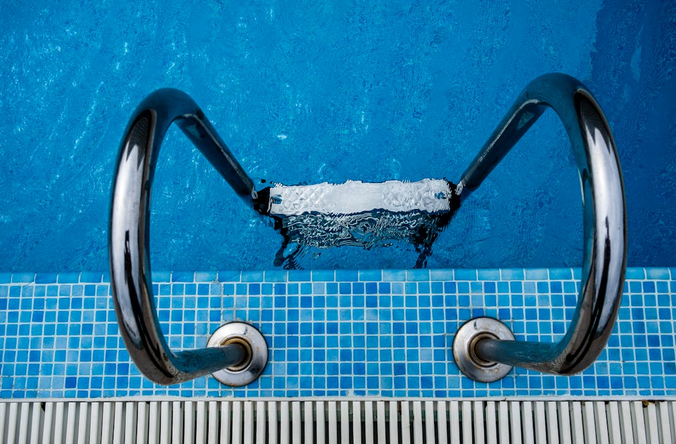 One of the most critical aspects of a pool inspection is verifying that all safety measures are up-to-date and code-compliant. This includes secure fencing, self-closing gates, properly placed depth markers, and functional drain covers. Missing or damaged safety features can increase the risk of drowning, especially for children or pets. Regular inspections ensure the pool area meets local safety regulations and give homeowners peace of mind, knowing their pool is as secure as possible.
Preventing Electrical Hazards
Pools involve electrical components such as lighting, heaters, and automated systems. Improper grounding, exposed wires, or outdated fixtures can present significant shock hazards. An inspector will evaluate the condition of all electrical equipment to ensure it meets safety standards. Routine inspections catch these issues before they lead to injury or fire, especially in older pools that may have outdated installations.
Boosting Home Value and Insurance Confidence
For homeowners considering selling, a well-maintained pool can be a strong selling point. Documented regular inspections show potential buyers that the pool has been properly cared for, adding value to the home. Likewise, many insurance providers may require proof of inspection for coverage or to process claims. Keeping inspection records up to date strengthens your position with insurers and reduces the risk of liability in the event of an incident.
A swimming pool adds enjoyment and beauty to your home, but without regular inspections, it can also bring hidden dangers. From maintaining structural integrity to ensuring water safety and code compliance, professional inspections are a vital part of responsible pool ownership. By making them a regular part of your home maintenance routine, you not only protect your family and guests but also preserve the value and longevity of your investment.…