
Zap-Proof Your Home: Must-Know Electrical Safety Tips for Homeowners
Are you tired of dealing with tripped circuits, flickering lights, and the constant fear of electrical hazards in your home? It’s time to take control and zap-proof your living space. In this blog post, we’ll cover must-know electrical safety tips for homeowners that will help you safeguard your family and property from potential dangers. Say goodbye to worries about fires, shocks, and expensive repairs – it’s time to make your home a haven with these essential guidelines. Let’s get started on creating a secure and electrifying environment for you and your loved ones.
Keep Water Away From Electrical Appliances
Water and electricity don’t mix, so it’s crucial to keep water away from electrical appliances and outlets. Avoid using electrical devices near water sources such as sinks, bathtubs, or pools. Additionally, make sure your hands are dry before handling any electrical appliances or cords to reduce the risk of electric shock.
Use Ground Fault Circuit Interrupters (GFCIs)
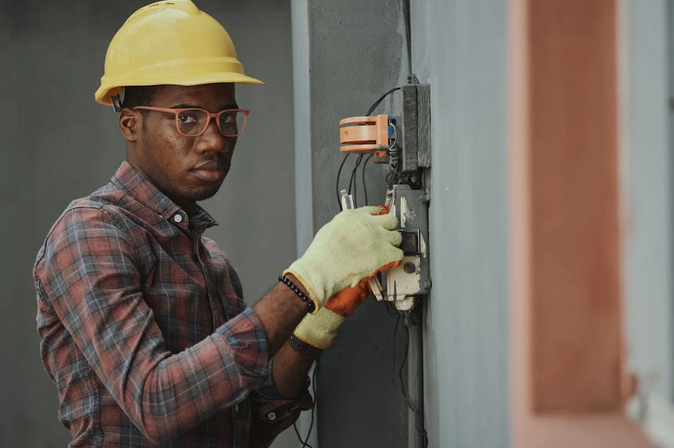
Ground Fault Circuit Interrupters (GFCIs) are electrical safety devices designed to protect against electrical shocks. They monitor the flow of electricity in a circuit and automatically shut off power if they detect a ground fault or imbalance. Install GFCIs in areas where water is present, such as kitchens, bathrooms, and outdoor outlets, to provide an extra layer of protection against electrical hazards. One of the reliable Melbourne electrician services is installation of GFCIs in your home.
Don’t Overload Outlets
Overloading outlets with too many devices can increase the risk of electrical fires and damage to your home’s wiring. Be mindful of how many devices you plug into each outlet, and avoid using extension cords or power strips as permanent solutions. If you find yourself constantly relying on extension cords, consider hiring an electrician to install additional outlets to accommodate your needs safely.
Regularly Inspect Electrical Cords and Outlets
Inspect electrical cords and outlets regularly for signs of wear and damage. Look for frayed wires, cracked insulation, or loose outlets, as these issues can pose a significant safety hazard. If you notice any damage, replace the cord or outlet immediately to prevent electrical fires or shocks. It’s also essential to teach children to avoid playing with electrical cords or outlets to reduce the risk of accidents.
Use Light Bulbs With the Correct Wattage
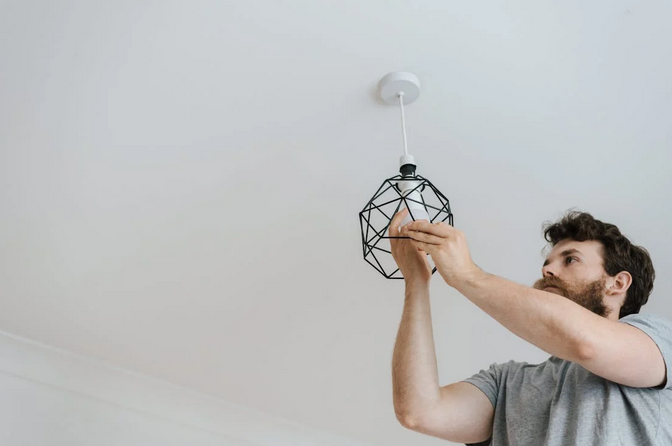
Using light bulbs with wattages higher than recommended can overload fixtures and potentially cause electrical fires. Check the wattage rating on light fixtures and use bulbs that match or are below the recommended wattage. If you’re unsure, consult the manufacturer’s instructions or seek advice from a qualified electrician. Additionally, consider switching to energy-efficient LED bulbs, which produce less heat and consume less energy than traditional incandescent bulbs.
Hire a Licensed Electrician for Repairs and Installations
For any electrical repairs or installations beyond your DIY capabilities, it’s essential to hire a licensed electrician. Attempting to fix electrical problems yourself can be dangerous and may lead to further damage or injury. A qualified electrician has the knowledge and expertise to safely address electrical issues and ensure that your home’s electrical system is up to code.
In conclusion, prioritizing electrical safety is crucial for protecting your home and family from potential hazards. By following these essential electrical safety tips and staying vigilant, you can minimize the risk of electrical accidents and enjoy peace of mind knowing that your home is safe and secure. If you have any concerns about your home’s electrical system, don’t hesitate to contact a licensed electrician for assistance.…